EPIRUS, GREECE
Meraki Collective
Fully Here, Fully Alive — Programs in Greek Craft, Culture & Table
Meraki Collective, founded by Anna & Eva, creates immersive cultural programs in the villages of Epirus, Greece. Rooted in living craft, seasonal food, and local culture, our programs invite you to step fully into this world: to harvest, bake, dance, explore monasteries and mountains, and share meals at tables where tradition is still alive.
Woven through each gathering is Eva’s work on human connection, communication, and self-awareness — not as a workshop, but as a natural part of how we live and gather together.
Whether it’s a few days or a week, you’ll leave changed. And you’ll carry something of this place with you long after you return home.
scroll
may 23-29, 2027 · zitsa, epirus
Zitsa: Shared Life in Epirus
Seven Days of Baking, Making & Self-Discovery in a Greek Village
DATES
May 23-29, 2027
DURATION
7 days, 6 nights
GROUP SIZE
5–12 participants
INVESTMENT
from €1,650
This is not a retreat from your life. This is an immersion into practices, rhythms, and connections that will come home with you — and stay.
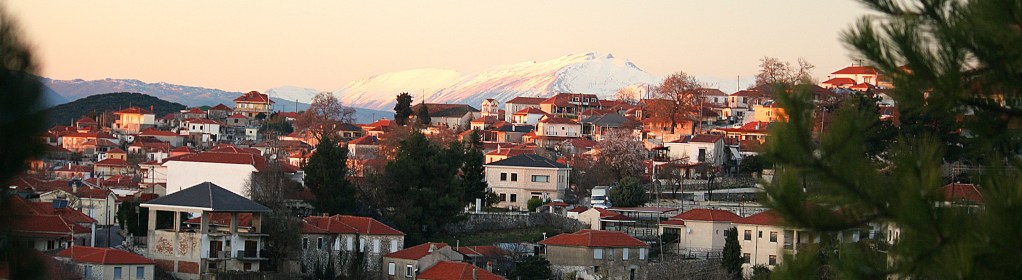
It is a week of living — really living, as a participant, not a tourist — inside a village that has been doing it for centuries. Open homes. Shared tables. Lessons that will find you again when life gets hard. Authentic good times.
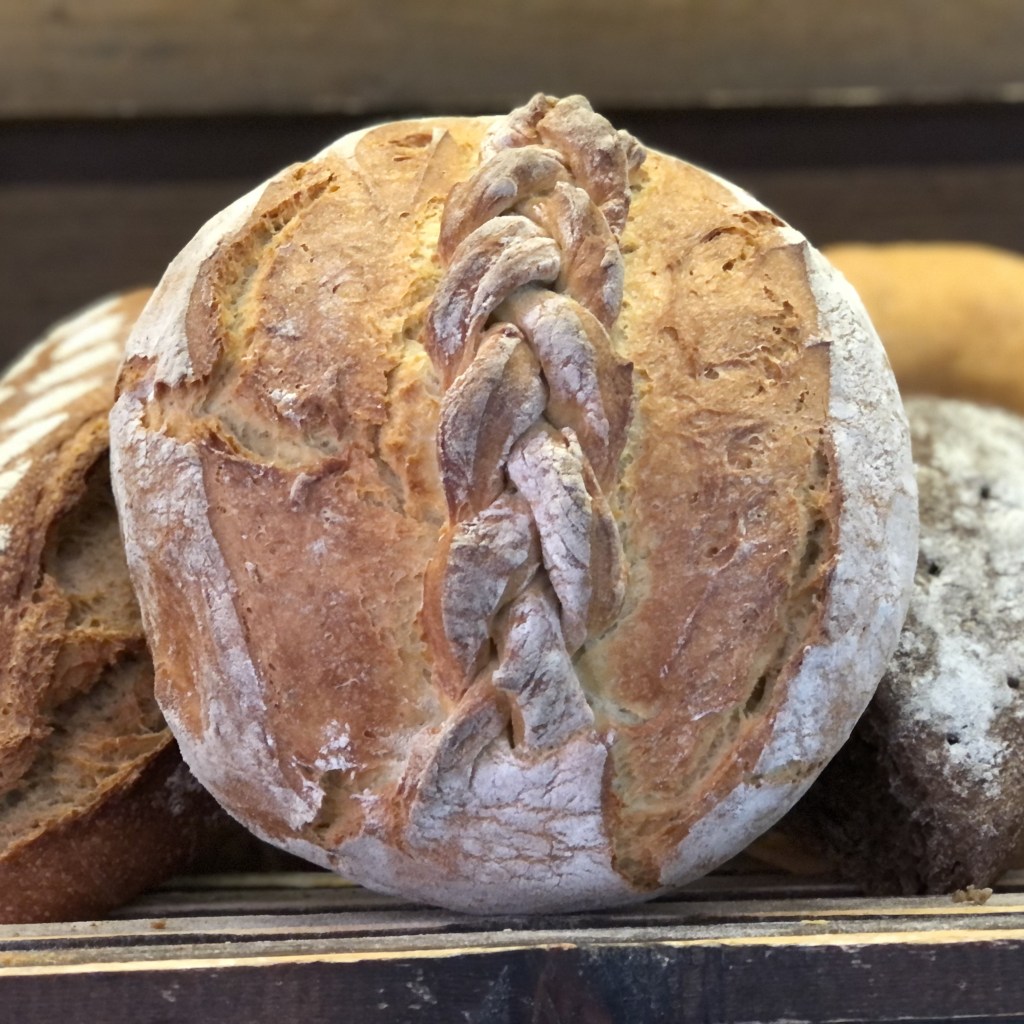
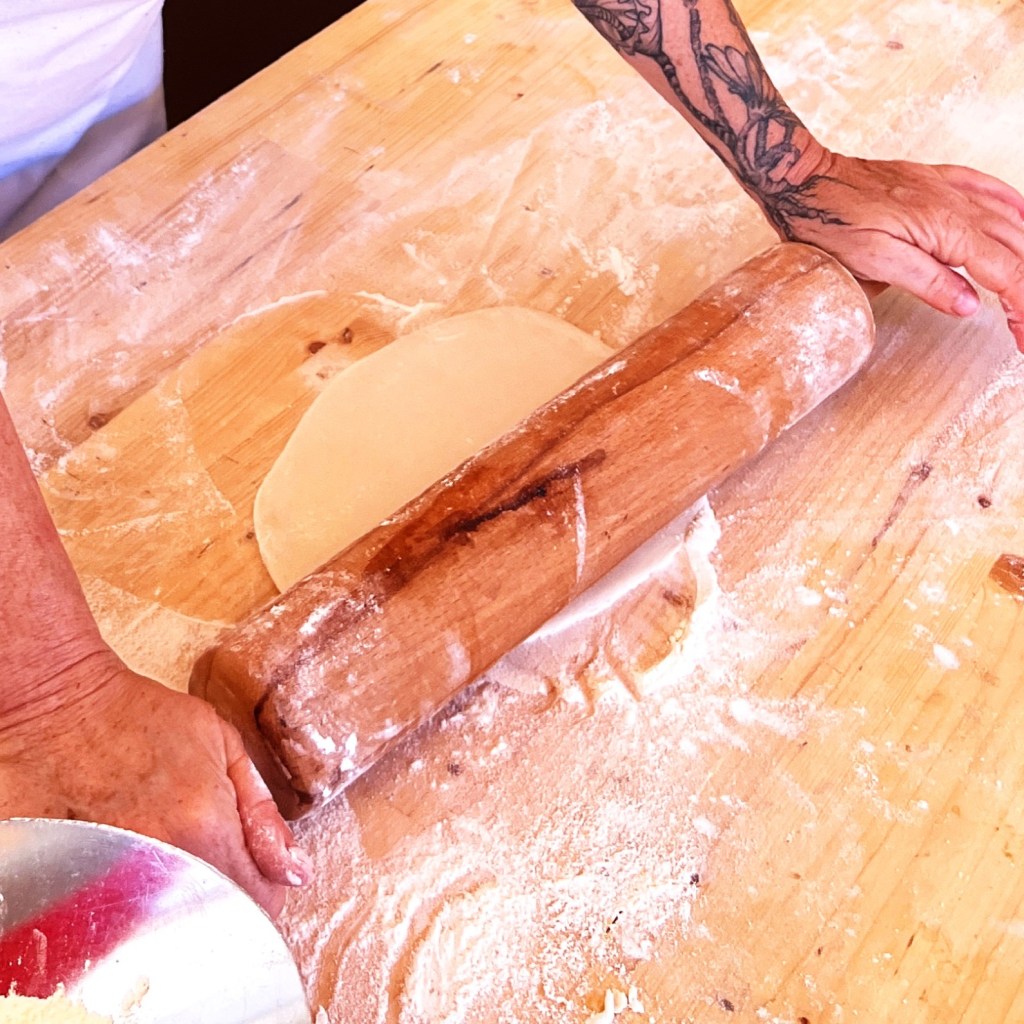
At the center of it all is the bakery. Every morning begins there — after breakfast and a little movement — in a small, warm space with dark wood shelves, rust-colored walls, and the kind of smell that makes you feel immediately at home. It is a working bakery, a gathering place, and a piece of living village history all at once. There, you will knead dough, learn family recipes, shape loaves, mix fillings for traditional pitas, and work with ingredients harvested from the land around you — alongside strangers who will become friends. And you will take home a beautifully printed recipe book to wow your family with your Greek cooking.


During our time together you will also walk the fields around the village, gathering wild greens for the table. You will sit under the stars while local musicians play and someone passes you something homemade that has no name in English. You will learn things with your hands that your hands will never forget.
And woven through all of it — quietly, without a schedule — is the other kind of learning. The kind that only happens when you slow down enough to notice.
Here is the thing that nobody puts in the brochure: spending some days in close quarters with people you have just met — sharing meals, fumbling through folk dances, being covered in flour at 8am — is not always smooth. It is sometimes awkward. It can bring up things. The way you handle a moment of frustration, or find your footing with someone very different from you — this is where Eva comes in. Not with a schedule or a workshop, but with a quiet presence and a set of tools for clearer communication and coexistence — in real time, in the middle of the difficult moments — that meet you exactly where you are. You will leave richer than you arrived — with skills, perspectives, and relationships that don’t stay behind when you board your flight home.


structure
The Rhythm of Your Days
A typical day might look light this:
MORNING
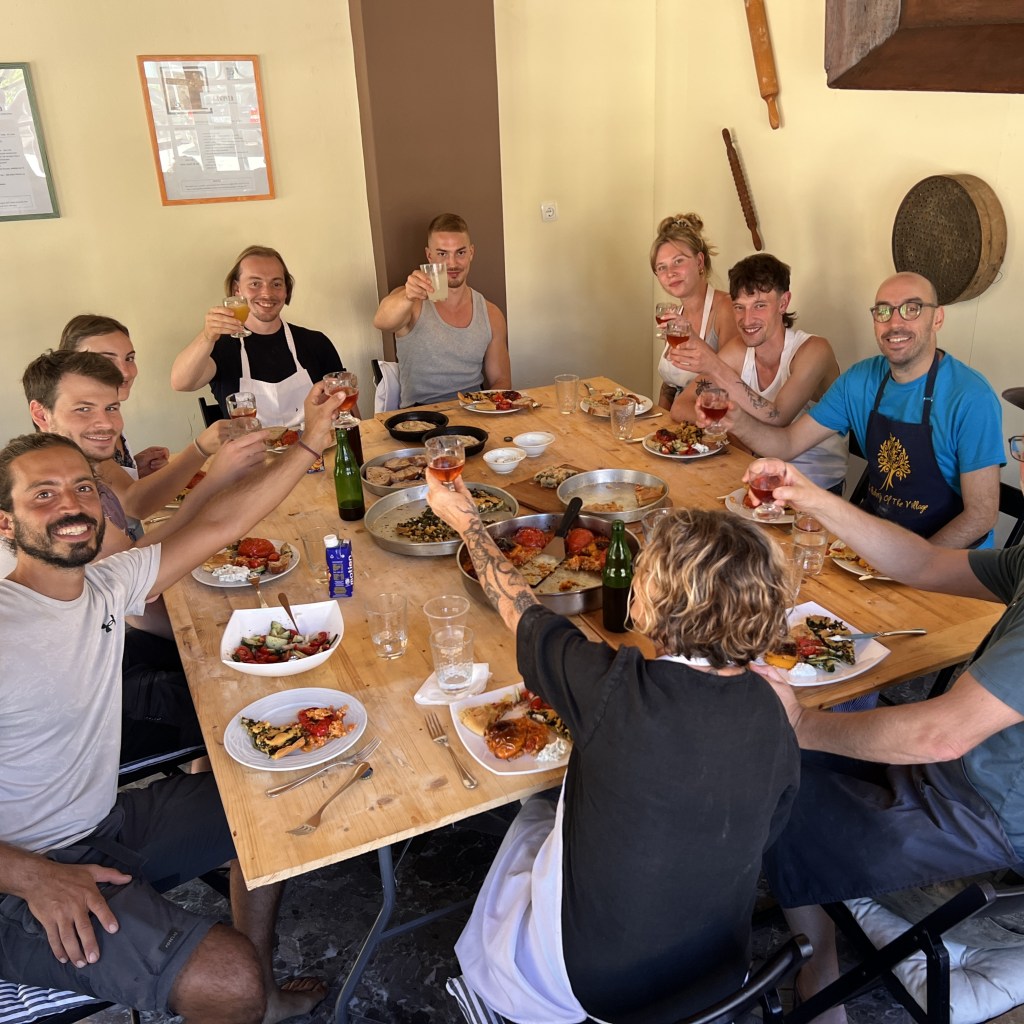
Days begin gently — after breakfast Eva will lead short movement sessions. Mobility exercises to open the joints and release the night. Then, aprons on. In the bakery you will measure and mix, shape and wait — sourdough, traditional Epirus pitas, trachana*, or homemade feta. Kostas, a Master Baker, teaches the way bakers teach: by showing, and by handing you the dough. Before you begin, Anna or Eva might pose a question to let marinate in your mind while your hands are working.
midday
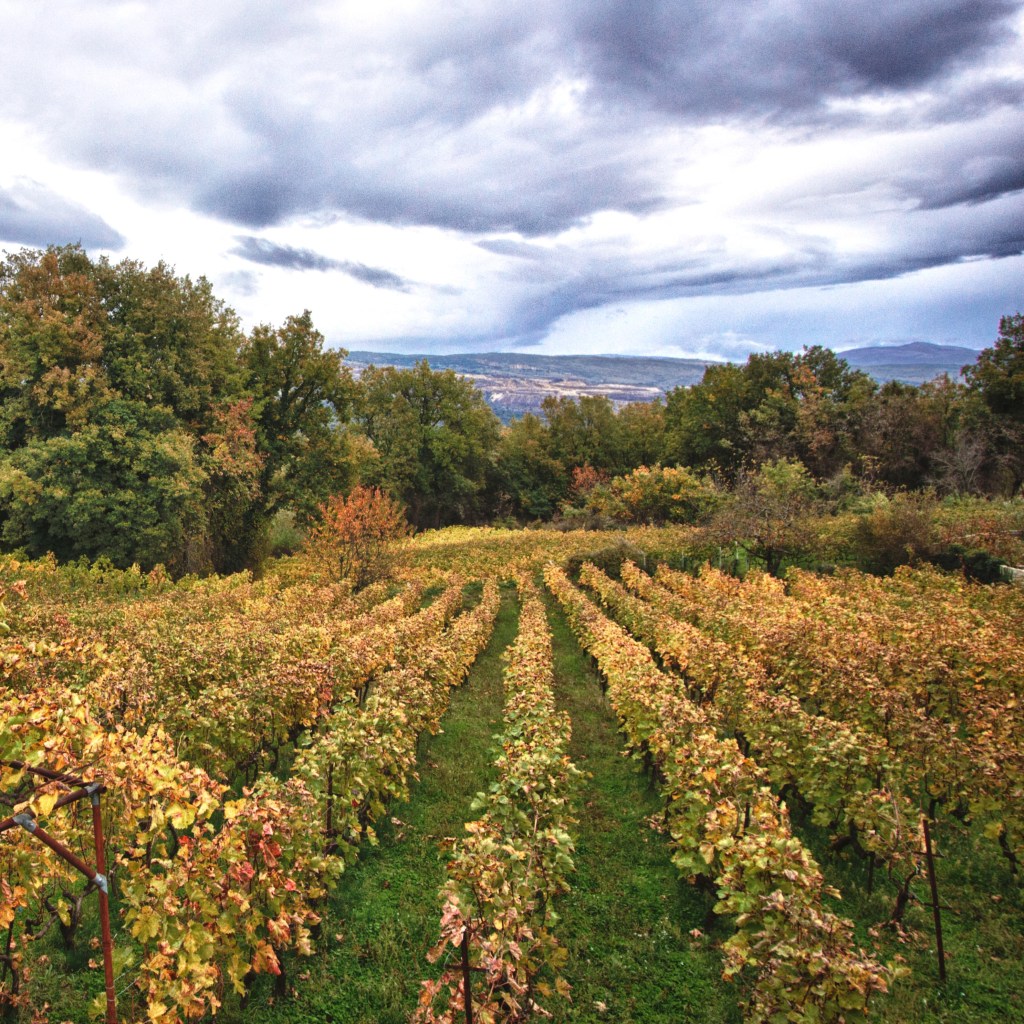
Lunch together, often outside — in a vineyard, a field, or under the shade of a walnut tree — with Zitsa’s famous sparkling wine. Sometimes there will be a topic on the table alongside the food: a story about the village, a question worth sitting with, a conversation that takes the meal somewhere unexpected. Afterward, rest. Space to walk, sit, or do nothing at all. Then some short creative and expressive practices – guided journaling, simple pebble painting. And then rest.
afternoon
Afternoons belong to the village and the landscape. The sheep farm. The sacred forest and the monastery — with its hidden schoolroom where Greek children were secretly taught during the Ottoman occupation. The lithograph museum, improbably tucked into this hillside village. A half-day excursion to Ioannina — the castle, the lake island, and, time permitting, the archaeological museum. Or an afternoon among the vines — in our vineyard, or a neighbor’s, or whoever says yes when we ask. That’s how it works here.
evening
Evenings are for the table. Long meals, local wine, musicians who show up to play traditional music because they heard there was company and food (some of which you made that morning). Conversations in three languages with a lot of gesturing. Or perhaps a pre-dinner dance party in a field — 80s playlist, no apologies — or a night picnic in a vineyard under more stars than you have probably ever seen before.
* Trachana (τραχανά) is a traditional Greek dried pasta/porridge made from flour and sheep’s milk. Two varieties exist — sour (made with fermented milk) and sweet (made with fresh milk, not actually sweet). You will learn to make the sweet variety using milk from our family’s sheep.
what you’ll experience
Learn & Make & Live
The Art of Patient Bread
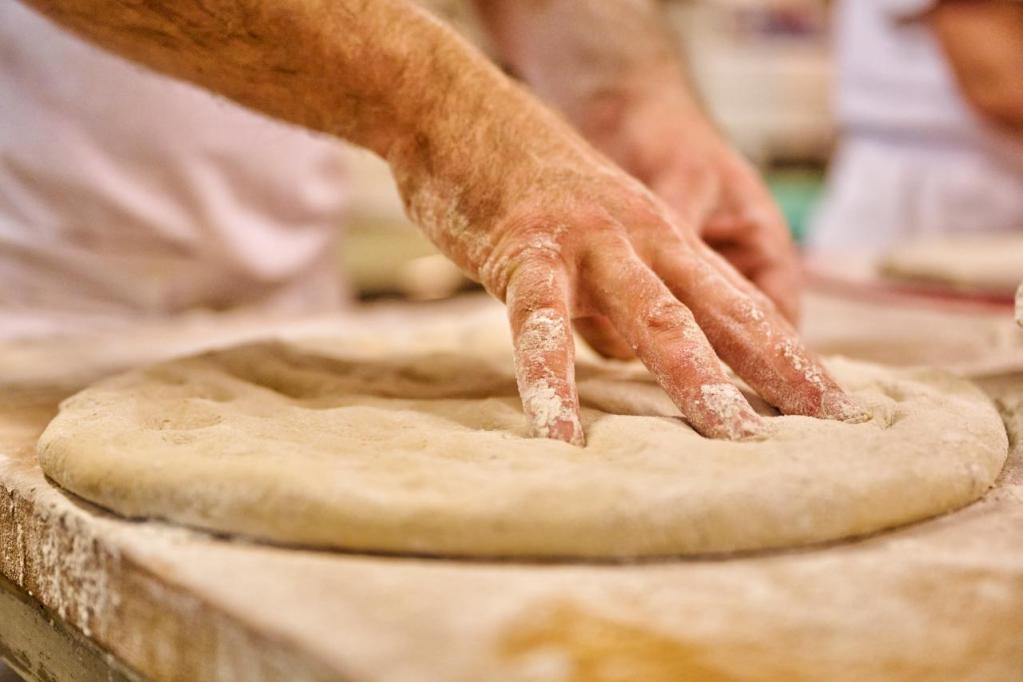
Each morning, you’ll work in the bakery alongside Kostas, an internationally recognized Master Baker. Much of what you’ll make together cannot be done in a single morning — sourdough requires days of patient fermentation, panettone demands time and precision, trachanas is a process that unfolds across days. You’ll learn techniques that honor time and transformation — skills you’ll practice long after you return home.
The Pitas of Epirus
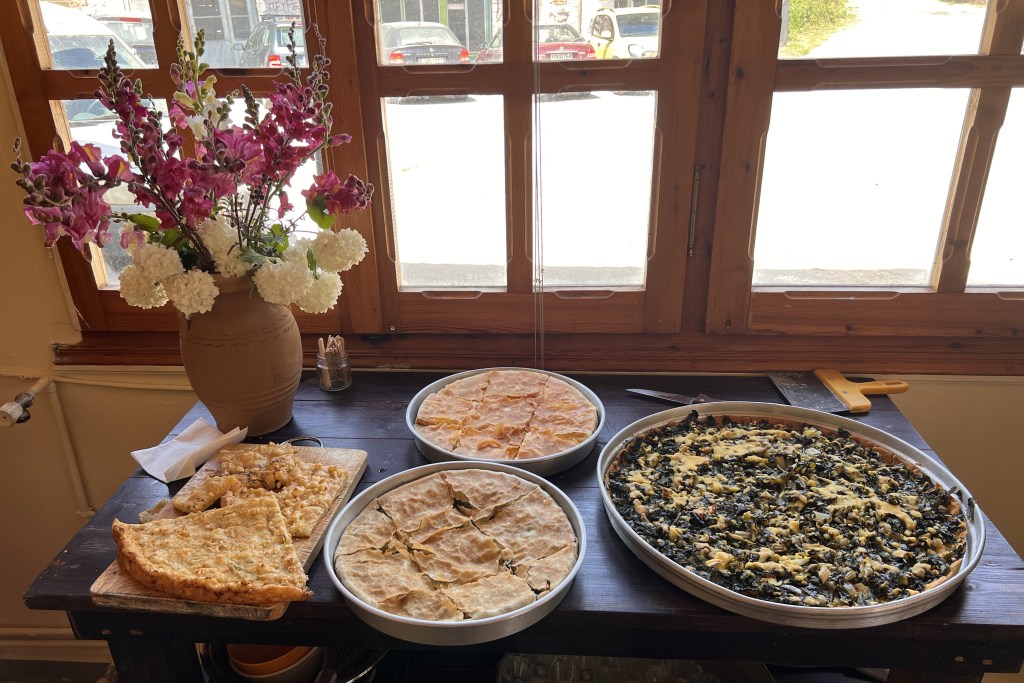
Epirus is the birthplace of Greece’s pita culture — “pita” meaning pie in Greek, both savory and sweet — created as portable meals for shepherds traversing the mountains. Spinach pie, cheese pie, and many, many others you probably haven’t experienced yet! Together, we’ll make these iconic pies by hand, working with phyllo dough and local ingredients harvested from our farm that same morning.

Zitsa's Winemaking Heritage
Zitsa holds a PDO designation for its unique naturally sparkling wine — the same protected status as Champagne, though the wine itself is something else entirely, closer in spirit to a crisp, effervescent cider made from the white Debina grape. You’ll visit local wineries (one with a fascinating museum inside) for tastings and share the traditional homemade version at every meal — a taste of place that cannot be replicated elsewhere.

From Farm to Table
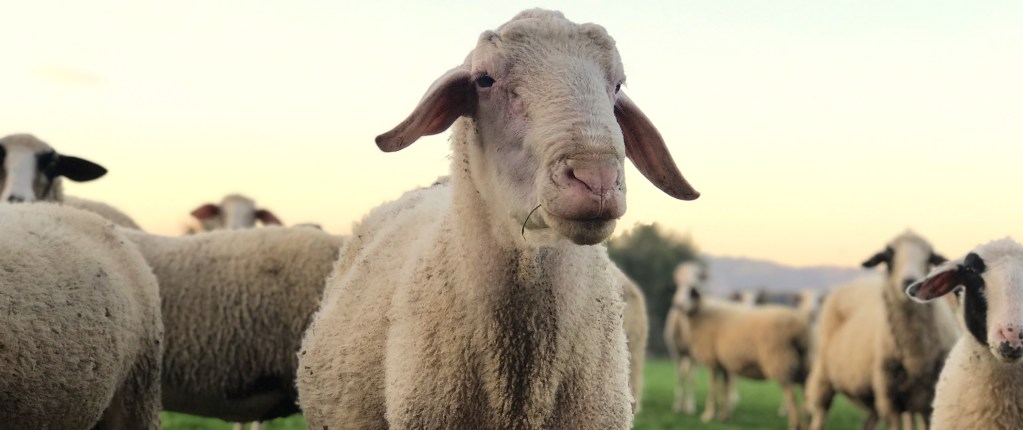
You will visit the sheep farm and if the season allows, you may milk some of the 200 sheep. Back at the bakery, you’ll learn real Greek feta-making, the way it has been done in these mountains for centuries: straining the milk, adding the rennet, bundling the curds into cheesecloths to drain, slicing the formed cheese, laying it on trays with salt, then packing it into containers to season. Along the way, you’ll harvest wild greens from the fields and collect eggs from the farm’s chickens and ducks — fresh ingredients you’ll use in your baking lessons.
Living Culture
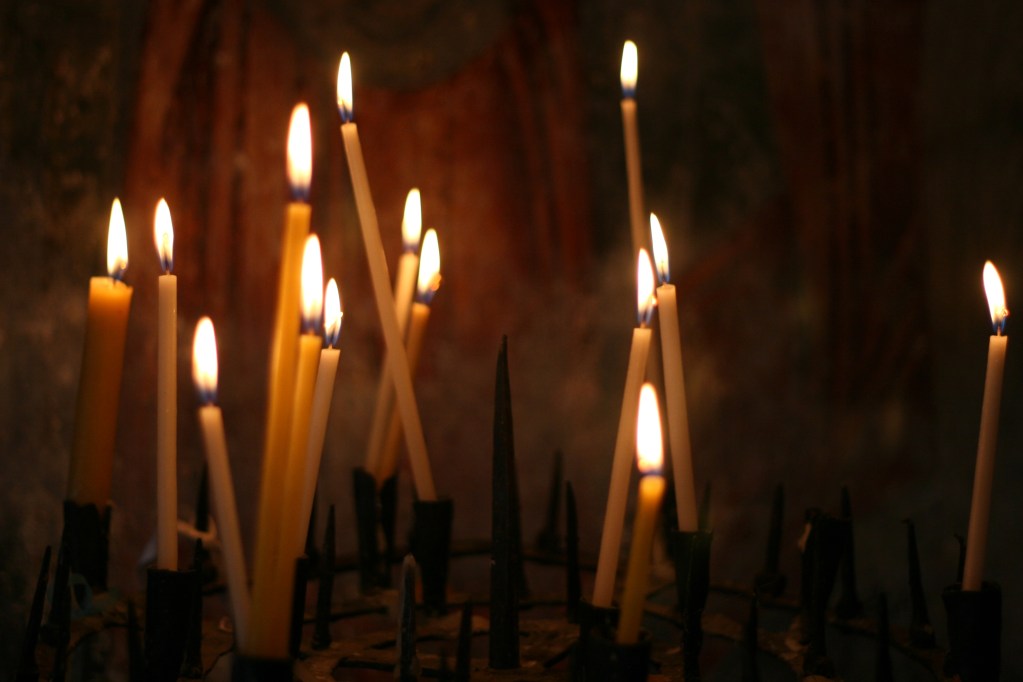
Zitsa is not a museum. Its traditions live and breathe, and you will step into them. You’ll learn the syrtos — the ancient circle dance of Epirus, where feet shuffle and pull and the lead dancer improvises while the line follows. A renowned clarinetist (“klarino”) will play: the haunting, modal sound that has accompanied every village wedding and feast day for generations. A local master apiarist will bring his bees to Zitsa for an afternoon of learning and honey tasting. You’ll visit the lithograph museum and the monastery above the vines, still active, still inhabited. And if a wedding or baptism falls during your week, you may find yourself welcomed in.

Presence & Connection
Introduced throughout the week are gentle tools for presence, authentic expression, and genuine connection — with yourself, with others, with the moment. Not separate from the bread-making, the dancing, the farm visits; part of them. Each day holds small pauses: a timeless passage, a question worth sitting with. You’ll paint on pebbles, wood, and watercolor paper — not to produce, but to discover what emerges when your hands are busy. You’ll receive a Meraki journal before you arrive, ready for whatever this week brings up. Eva holds all of it — quietly, skillfully, in the middle of real life.
practical details
Everything You Need to Know
DATES
May 23–29, 2027
7 days, 6 nights
LOCATION
Zitsa, Epirus, Greece — a mountain village in northwestern Greece, known for its wine, natural beauty, outstanding bakery, and preserved traditions
GROUP SIZE
5–12 participants. Intimate groups ensure authentic connection and personalized attention.
INVESTMENT
Early-bird rate: €1,650 per person (private room) when you reserve with a €500 deposit by 15 December 2026. Standard rate: €1,850 per person (private room). Shared-room discounts are available for two or more travelers who know each other and book together.
WHAT’S INCLUDED
Accommodation — 6 nights at Vadokeios Gi guesthouse, private room with private bathroom and balcony.
Food and drink — all breakfasts and lunches, welcome and farewell dinners, Zitsa and other local wines at meals, a guided tasting at a Zitsa PDO winery, and 24/7 access to a stocked fridge and pantry in the workshop space.
Workshops and experiences — all ingredients, materials, and supplies for cooking, baking, creative sessions, and feta-making, with instruction from Kostas, Eva, and local artisans.
Transportation — private van for the half-day Ioannina excursion and any other group transport during the program.
Keepsakes — a Meraki journal and apron on arrival; a digital recipe book and group photo album afterward.
Care and support — dietary accommodations, pre-arrival travel planning support, a shared WhatsApp group, and Anna and Eva on-site throughout.
NOT INCLUDED
Travel to and from Greece — flights and ground transportation to Zitsa. We’re happy to help with travel planning, and can arrange transport to Zitsa for you at your own cost.
The Ioannina lunch — around €25 per person, settled directly with the restaurant.
Travel insurance — required of all participants; must cover medical care, emergency evacuation, and trip cancellation.
Personal expenses — extra drinks, taxis, shopping, souvenirs.
Visa fees, where applicable.
Who Thrives here
Is This For You?
This program is for you if…
- You hunger for genuine places — life as it's actually lived, not curated highlight reels.
- You want to make something with your hands — bread, cheese, something that takes patience.
- You're drawn to places where tradition is still alive and ordinary people carry it forward.
- You're comfortable with a rhythm rather than a rigid itinerary — long lunches, conversations that go somewhere, moments that can't be planned.
- You thrive in small groups where the dynamic matters as much as the itinerary.
- You're ready for meaningful inner work woven into the week — not a therapy retreat, but honest and intentional enough that you might leave knowing yourself a little better.
This program is not for you if…
- You need a packed schedule of famous landmarks, sightseeing buses, and guided tours.
- You're looking for a resort-style escape with spa days and poolside service.
- You want a premium holiday with a private chef and world-class gastronomy.
- You prefer the anonymity of a large group over the intimacy of a small one.
- You're looking for a wellness or fitness retreat with daily yoga, guided meditation, and massage.
- You thrive with a set itinerary, and spontaneous changes — due to Epirus's notoriously moody weather or shifts in the group's mood and flow — aren't quite your thing yet.
A Community That Continues
Ready to be Curious?
This experience begins before you arrive and continues long after you leave. Prior to May, confirmed participants connect through a shared online space, with guided questions and topics from your hosts, Anna & Eva. After the seven days in Zitsa, the conversation doesn’t end — the community remains active, sharing how these practices have integrated into daily life. We hope you can join us — it would be lovely to spend this time with you.